
Why Are My Eyes Watering and Scratchy This Fall? Pataskala Ragweed vs. Dry Eye Symptoms
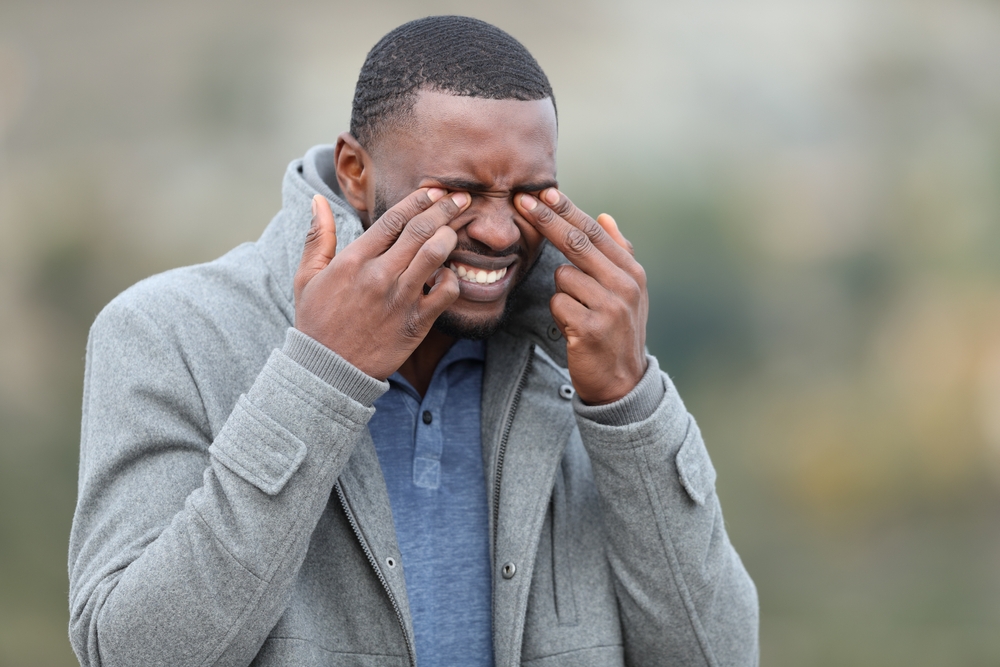
Fall in Pataskala can bring cooler temperatures, changing leaves, and plenty of seasonal allergens. If your eyes suddenly feel watery, scratchy, irritated, or red, it can be difficult to tell whether ragweed allergies or dry eye are responsible.
At The Pataskala Vision Center, we see many patients with similar symptoms during allergy season. Because dry eye and eye allergies can overlap, identifying what is actually causing your discomfort is important before deciding how to treat it.
How Ragweed Allergies Affect Your Eyes
Ragweed pollen is a common fall allergen that can trigger allergic conjunctivitis in sensitive individuals. When pollen comes into contact with the eyes, the immune system may respond with inflammation.
Common allergy-related eye symptoms include:
Intense itching
Red or bloodshot eyes
Excessive watering
Puffy or swollen eyelids
Burning or irritation
Symptoms that worsen after spending time outdoors
Itching is often one of the biggest clues that seasonal allergies may be involved. Symptoms may also occur alongside sneezing, congestion, or a runny nose.
Can Dry Eye Make Your Eyes Water?
Yes. Although it sounds contradictory, dry eye can cause excessive watering.
When the surface of the eye becomes irritated or insufficiently lubricated, the eyes may respond by producing a rush of watery tears. These reflex tears do not always contain the right balance of oil and moisture needed to keep the tear film stable, so your eyes may continue to feel dry or scratchy even while they are watering.
Patients experiencing dry eye in Pataskala may also notice burning, gritty sensations, redness, fluctuating vision, or irritation that becomes worse after screen use.
Why Fall Can Make Dry Eye Symptoms Worse
Seasonal changes can affect the tear film in several ways. Cooler temperatures, wind, lower humidity, indoor heating, and increased exposure to allergens can all contribute to irritated eyes.
Meibomian gland dysfunction can also play a role. The meibomian glands produce oils that help keep tears from evaporating too quickly. When these glands become blocked or do not function properly, the tear film can become unstable and dry eye symptoms may develop.
For some Pataskala patients, fall discomfort may involve both allergies and dry eye at the same time.
Is It Ragweed or Dry Eye?
Symptoms alone do not always provide a clear answer. If itching is your dominant symptom and your eyes become noticeably worse outdoors, seasonal allergies may be contributing. If you experience persistent burning, grittiness, fluctuating vision, or watering related to an unstable tear film, dry eye may be involved.
Instead of repeatedly trying different over-the-counter drops, we can evaluate your eye surface and tear quality to identify the underlying cause.
Dry Eye Treatment in Pataskala
Our dry eye evaluations are designed to look beyond temporary symptom relief. Depending on what we find, treatment may include prescription eye drops, eyelid hygiene, blinking strategies, therapies that support the oil glands, or OptiLight IPL for qualifying patients. OptiLight IPL can help address inflammation and meibomian gland dysfunction associated with evaporative dry eye.
If watery, scratchy, or irritated eyes are making fall uncomfortable, contact The Pataskala Vision Center in Pataskala, OH at (740) 927-3061 to schedule an eye evaluation and find out whether allergies, dry eye, or a combination of both may be causing your symptoms.
Quick Links
Helpful Articles
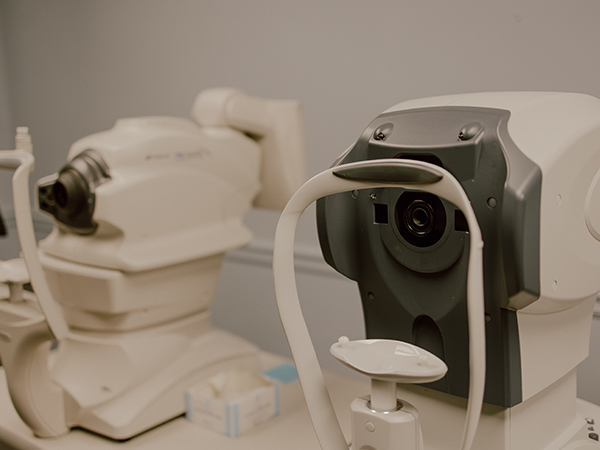
All Eye Care Services
Find personalized eye care excellence with our comprehensive services. From eye exams to advanced diagnostics, trust us for all your vision needs.
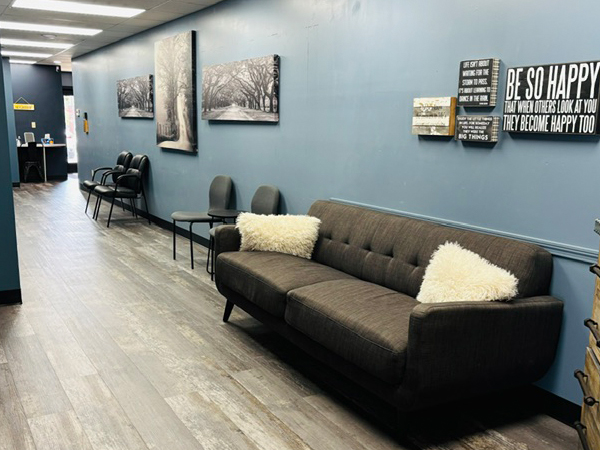
Keep In Touch
For non-urgent questions or to learn more about our services, contact us today!

Quick Links
Contact Info
- 180 East Broad Street Suite A
Pataskala, OH 43062 - Phone: (740) 927-3061
- Fax: (740) 927-7042
Office Hours
- Monday 8:00am - 6:00pm
- Tuesday 8:00am - 6:00pm
- Wednesday 8:00am - 6:00pm
- Thursday 8:00am - 6:00pm
- Friday Closed
- Saturday Closed
- Sunday Closed
- Monday
- Tuesday
- Wednesday
- Thursday
- Friday
- Saturday
- Sunday
- Monday
- Tuesday
- Wednesday
- Thursday
- Friday
- Saturday
- Sunday
© 2026 The Pataskala Vision Center. All rights Reserved - Accessibility Statement - Privacy Policy - Sitemap
Managed and Designed by 