
How Night Driving Glare on Broad Street Affects Central Ohio Drivers (and How Anti-Reflective Lenses Help)

How Night Driving Glare on Broad Street Affects Central Ohio Drivers (and How Anti-Reflective Lenses Help)
A familiar drive along Broad Street can feel more demanding after sunset. Oncoming headlights, illuminated signs, and reflections on wet pavement can make it harder to pick out details ahead. If you find yourself squinting or avoiding evening trips, your vision deserves attention.
At The Pataskala Vision Center, we help patients understand what may be contributing to night driving glare and whether an updated prescription, anti-reflective lenses, or treatment for an eye condition could help.
Why Glare Becomes More Noticeable at Night
In low light, your pupils widen to let in more light. This can make uncorrected vision problems more noticeable, including blur from an outdated prescription. Bright headlights against a dark background can add to the difficulty.
For Central Ohio drivers, glare may make road signs, lane markings, and objects near bright lights harder to distinguish. Dry eye and cataracts can also contribute to visual discomfort or reduced clarity after dark. These symptoms should not automatically be dismissed as a normal part of driving.
How Anti-Reflective Lenses Help
Anti-reflective lenses have a coating that reduces reflections from the surfaces of your eyeglass lenses. This helps limit the additional reflections created when headlights, streetlights, or dashboard lights hit your glasses.
For people who need prescription eyewear, an anti-reflective coating may make nighttime viewing clearer and more comfortable. It also allows more light to pass through the lenses. However, it cannot eliminate all headlight glare or correct an underlying eye condition. We consider the coating alongside your prescription and eye health when discussing your options.
Why an Eye Exam Comes First
If night driving in Pataskala has become more difficult, choosing new lenses starts with understanding the cause. During an eye exam, we can check your prescription and evaluate your eyes for conditions that may affect nighttime vision.
Tell us whether you notice halos, streaks around lights, fluctuating blur, or a recent change in visibility. These details help guide our evaluation. An anti-reflective coating can address lens reflections, but cataracts or other causes of glare may require a different approach.
Practical Steps for Evening Drives
Along with appropriate vision care, a few habits can help reduce avoidable visibility problems:
Clean your windshield inside and outside to remove haze and smudges.
Keep prescription glasses clean and have scratched lenses assessed.
Maintain your headlights and replace worn windshield wipers.
Avoid yellow-tinted “night driving” glasses and sunglasses after dark, since tinted lenses reduce the light reaching your eyes.
These steps support clearer viewing, but persistent glare still needs an eye exam. If you cannot see well enough to drive safely, arrange another ride until your vision has been evaluated.
Make your next drive down Broad Street a reason to check your vision. Contact The Pataskala Vision Center in Pataskala, OH, at (740) 927-3061 to schedule an eye exam and discuss whether anti-reflective lenses are right for you.
Quick Links
Helpful Articles
All Eye Care Services
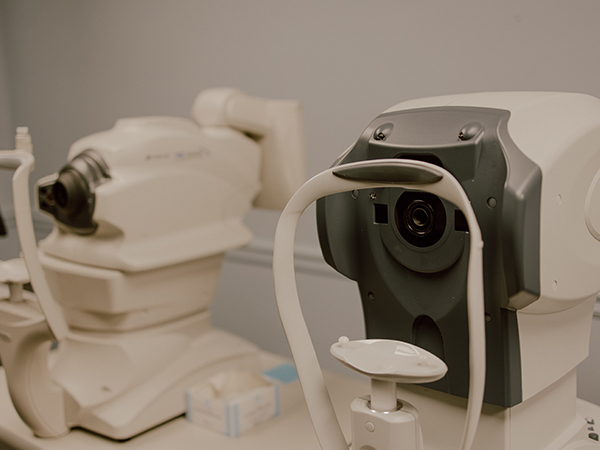
Find personalized eye care excellence with our comprehensive services. From eye exams to advanced diagnostics, trust us for all your vision needs.
Keep In Touch
For non-urgent questions or to learn more about our services, contact us today!

Quick Links
Contact Info
- 180 East Broad Street Suite A
Pataskala, OH 43062 - Phone: (740) 927-3061
- Fax: (740) 927-7042
Office Hours
- Monday 8:00am - 6:00pm
- Tuesday 8:00am - 6:00pm
- Wednesday 8:00am - 6:00pm
- Thursday 8:00am - 6:00pm
- Friday Closed
- Saturday Closed
- Sunday Closed
- Monday
- Tuesday
- Wednesday
- Thursday
- Friday
- Saturday
- Sunday
- Monday
- Tuesday
- Wednesday
- Thursday
- Friday
- Saturday
- Sunday
© 2026 The Pataskala Vision Center. All rights Reserved - Accessibility Statement - Privacy Policy - Sitemap
Managed and Designed by 